
Mediation and Conciliation Legal Services
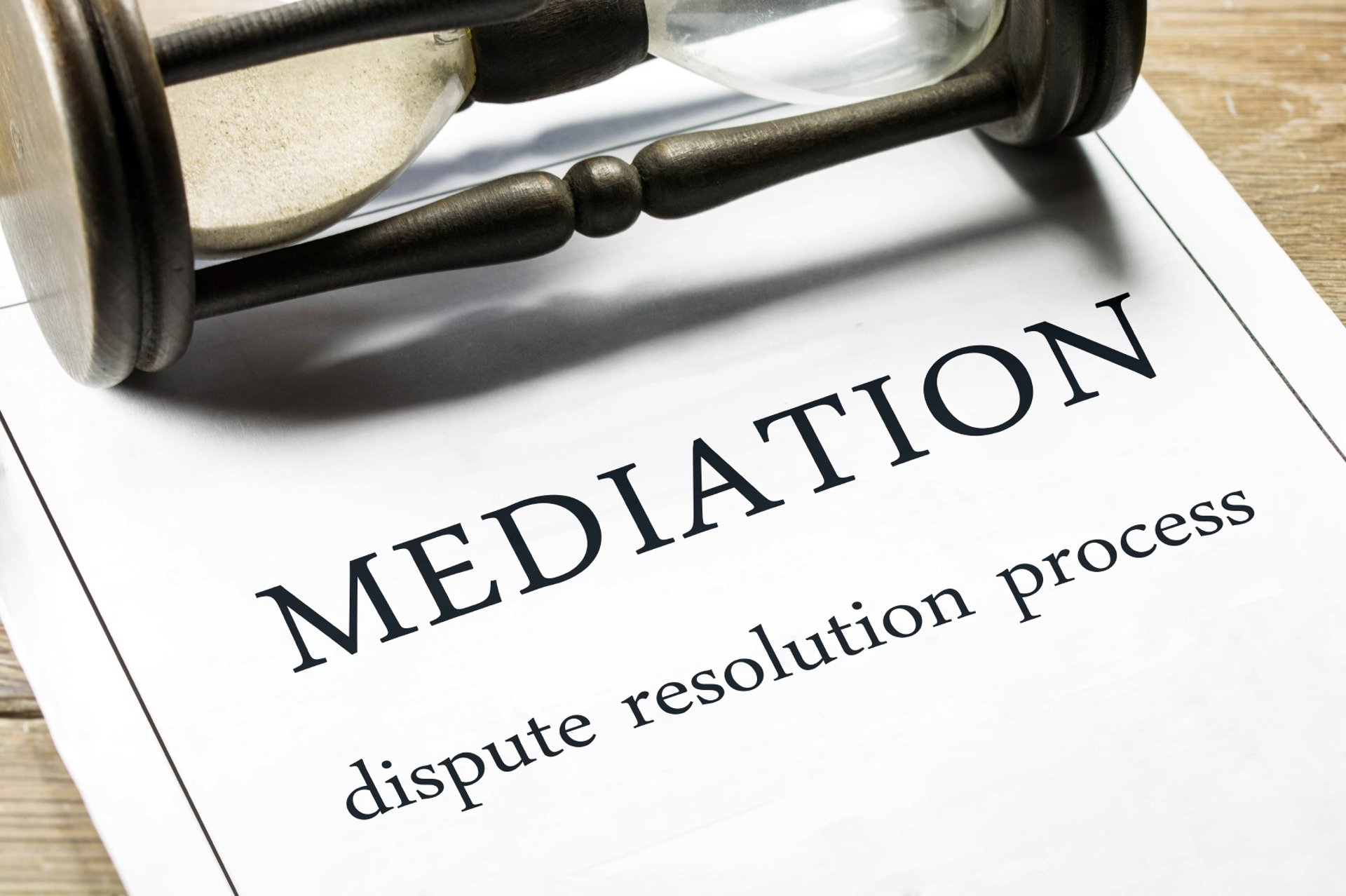
Mediation and conciliation are widely recognized methods of Alternative Dispute Resolution (ADR) that allow parties to resolve disputes through negotiation and mutual agreement without prolonged court proceedings. These processes focus on cooperation, communication, and mutually acceptable settlements, enabling the parties to resolve conflicts amicably with the assistance of a neutral third party.
In mediation, a trained mediator facilitates discussions between the disputing parties and helps them explore possible solutions while maintaining strict neutrality. In conciliation, a conciliator plays a more active role by suggesting possible terms of settlement to assist the parties in reaching an agreement. These dispute resolution mechanisms are governed under the Arbitration and Conciliation Act, 1996, which provides the legal framework for resolving disputes outside traditional litigation.
Mediation and conciliation are commonly used in matters such as commercial disputes, family disputes, employment conflicts, contract disagreements, partnership disputes, and financial disputes. These methods help reduce legal expenses, preserve relationships between parties, and provide faster and more efficient dispute resolution compared to traditional court proceedings.
At Advocate Rekha, we provide legal guidance and representation in mediation and conciliation proceedings. Practicing before the Madras High Court and Madurai Bench, Advocate Rekha assists clients in understanding their legal position, preparing settlement proposals, participating in negotiations, and ensuring that agreements reached through mediation or conciliation comply with applicable Indian legal requirements.
Know Your Rights
Individuals and businesses participating in mediation and conciliation proceedings have certain legal rights under Indian law, including:
Right to Voluntary Participation
Parties participate in mediation and conciliation voluntarily and may withdraw from the process if they are not satisfied with the proceedings.
Right to Confidentiality
Discussions and negotiations conducted during mediation or conciliation are generally confidential and cannot usually be used as evidence in court proceedings.
Right to Fair and Neutral Facilitation
Mediators and conciliators must remain neutral and impartial, assisting both parties in reaching a fair and mutually acceptable settlement.
Right to Legal Advice
Parties have the right to seek legal guidance before agreeing to settlement terms to ensure that their rights and interests are protected.
Right to Mutually Agreed Settlement
A settlement agreement becomes valid only when both parties voluntarily agree to the terms of resolution.
Right to Approach Courts if Settlement Fails
If mediation or conciliation does not result in a settlement, the parties may continue the dispute through the regular court process.
Mediation and conciliation play an important role in resolving disputes efficiently while promoting cooperation, reducing litigation costs, and preserving relationships between the parties involved. Advocate Rekha remains committed to guiding clients through mediation and conciliation proceedings with professionalism, fairness, and effective legal support.
Contact
Reach out for trusted legal advice anytime.
Phone
© 2025. All rights reserved.